
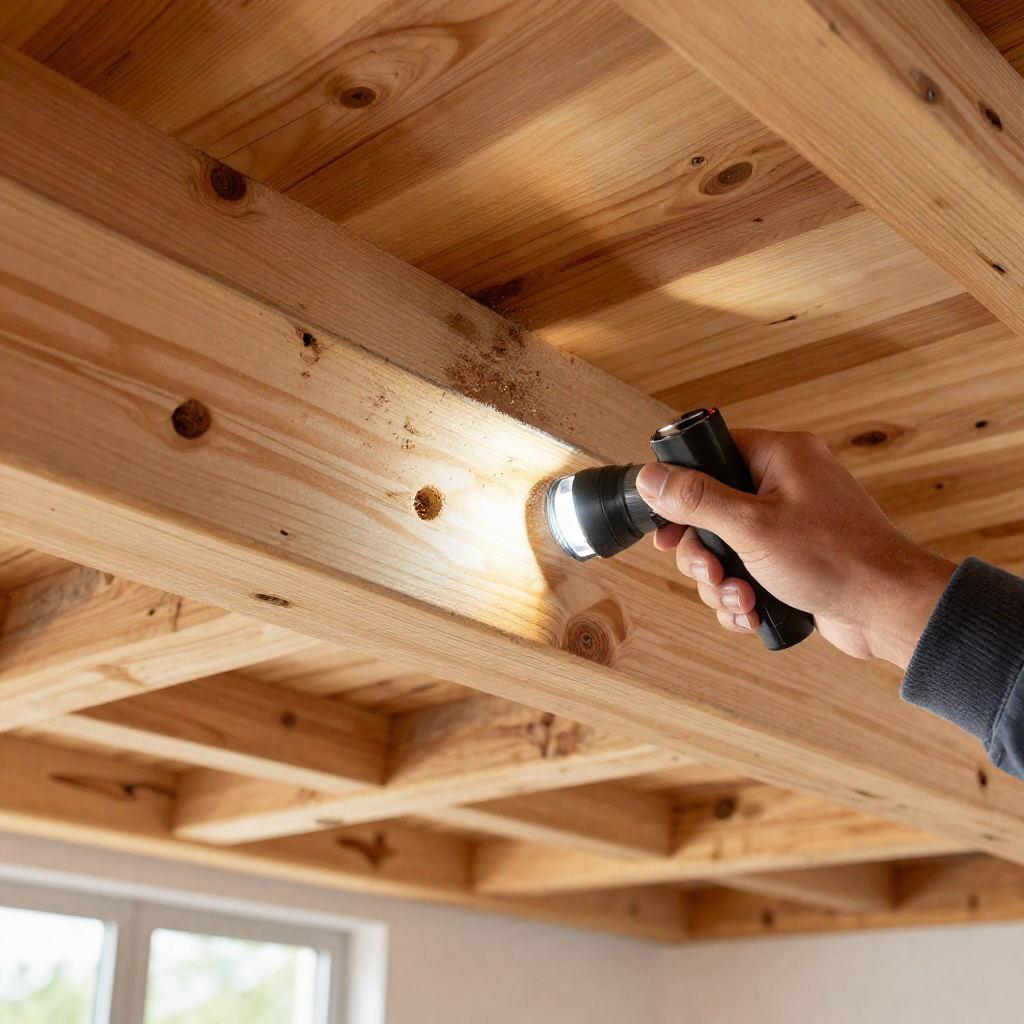
Woodworm may seem like a minor problem at first. A few tiny holes in an old chair or a small pile of fine wood dust beneath a beam might not appear urgent, especially if the wood still looks strong. However, ignoring a woodworm infestation can lead to far more serious consequences than many homeowners realize.
While woodworm rarely causes immediate structural failure, the larvae can remain hidden inside timber for several years, slowly tunneling through the wood and weakening it from within. By the time obvious signs of damage appear, repairs can become expensive, and in severe cases, structural components may need to be replaced.
Understanding the true cost of ignoring woodworm is the first step toward protecting your home, preserving valuable furniture, and avoiding unnecessary repair bills. In this guide, we’ll explore the financial, structural, and practical consequences of leaving a woodworm infestation untreated.
What Is Woodworm?
Despite its name, woodworm is not actually a worm. The term refers to the larvae of several species of wood-boring beetles, including:
- Common Furniture Beetle (Anobium punctatum)
- Deathwatch Beetle (Xestobium rufovillosum)
- House Longhorn Beetle (Hylotrupes bajulus)
- Powderpost Beetles (Lyctus species)
Adult beetles lay eggs on wooden surfaces or inside cracks. Once the eggs hatch, the larvae bore into the timber and feed on it for two to five years, and in some cases even longer. Most of the damage occurs during this hidden larval stage.
Why Woodworm Should Never Be Ignored
A common misconception is that woodworm damage stops once the visible holes appear. In reality, the holes are simply exit points left behind when adult beetles emerge. If new generations continue to develop inside the timber, damage can progress year after year.
Ignoring an active infestation allows the life cycle to continue, increasing the likelihood of widespread timber deterioration.
1. Structural Damage
One of the most serious consequences of untreated woodworm is the gradual weakening of structural timber.
Commonly affected components include:
- Roof beams
- Floor joists
- Ceiling joists
- Staircases
- Timber framing
- Loft rafters
As larvae create tunnels throughout the wood, the timber loses strength. Although this process is usually slow, years of unchecked infestation can reduce the load-bearing capacity of important structural elements.
2. Expensive Repairs
Treating woodworm early is often far less expensive than repairing the damage it causes.
Ignoring the problem may eventually require:
- Replacing roof timbers
- Installing new floor joists
- Repairing staircases
- Restoring damaged furniture
- Reinforcing structural beams
The longer an infestation continues, the greater the repair costs are likely to become.
3. Damage to Antique Furniture
Woodworm doesn’t only affect buildings.
Antique furniture, heirlooms, and handcrafted wooden items are particularly vulnerable because they are often made from older, untreated timber.
Ignoring an infestation can result in:
- Loose joints
- Crumbling wood
- Reduced structural strength
- Permanent cosmetic damage
- Loss of historical and financial value
For valuable antiques, early treatment is essential to preserve both appearance and integrity.
4. Spread to Other Timber
Woodworm does not spread in the same way as termites, but adult beetles can emerge from infested timber and lay eggs on nearby untreated wood.
This means a single untreated piece of furniture may eventually lead to infestations in:
- Floorboards
- Roof beams
- Wooden doors
- Window frames
- Additional furniture
Stopping an infestation early helps reduce the risk of it spreading throughout your property.Further Reading: https://www.shashel.eu official site for microwave woodworm treatment equipment.
5. Hidden Damage
One of the biggest challenges with woodworm is that most of the destruction happens inside the timber.
From the outside, wood may appear perfectly healthy while extensive tunneling weakens it internally.
This hidden damage often goes unnoticed until:
- Timber becomes soft
- Furniture begins to wobble
- Floorboards sag
- Structural beams lose strength
Regular inspections are essential because visual appearance alone cannot reveal the true condition of the wood.
6. Reduced Property Value
A history of untreated timber damage can affect the value of your property.
Potential buyers may be concerned about:
- Structural integrity
- Future repair costs
- Ongoing infestations
- Damp-related problems
Professional treatment and documented repairs can provide reassurance during the sale process.
7. Moisture Problems Often Get Worse
Woodworm is commonly associated with damp timber.
If the underlying cause—such as a leaking roof or poor ventilation—is ignored, the conditions that attracted the beetles remain.
Over time, this can also lead to:
- Fungal decay
- Mould growth
- Rotting timber
- Additional structural problems
Addressing moisture issues is just as important as treating the insects themselves.
Signs You Should Never Ignore
Early detection greatly reduces the risk of serious damage.
Watch for these warning signs:
Fresh Exit Holes
Small round holes measuring 1–3 mm with clean edges may indicate recently emerged beetles.
Powdery Frass
Fresh frass resembles fine sawdust and often collects beneath infested timber.
If it continues to appear after cleaning, the infestation may still be active.
Weak or Soft Timber
Wood that feels soft, brittle, or hollow should be inspected immediately.
Live Beetles
Finding adult beetles indoors during spring or summer suggests that the breeding cycle is continuing.
The Long-Term Financial Cost
Many homeowners delay treatment because the visible damage appears minor.
However, the cost difference between early intervention and major repairs can be significant.
Early treatment may involve:
- Professional inspection
- Targeted woodworm treatment
- Moisture control
- Preventive wood preservatives
Ignoring the infestation may eventually require:
- Structural timber replacement
- Extensive carpentry work
- Furniture restoration
- Roof repairs
- Flooring replacement
Investing in early treatment is usually far more cost-effective than waiting until structural repairs become necessary.
How to Prevent Costly Damage
Fortunately, woodworm infestations can often be prevented through routine maintenance.
Keep Timber Dry
Repair roof leaks, plumbing issues, and condensation problems promptly.
Improve Ventilation
Ensure lofts, basements, and crawl spaces have adequate airflow.
Inspect Timber Regularly
Check:
- Roof beams
- Floor joists
- Antique furniture
- Window frames
- Wooden staircases
Treat Vulnerable Timber
Apply suitable wood preservatives to exposed, untreated timber where appropriate.
Address Moisture Problems
Reducing humidity makes timber much less attractive to wood-boring beetles.
When Should You Call a Professional?
Professional help is recommended if:
- Structural beams show signs of weakening.
- Fresh frass continues appearing.
- New exit holes develop.
- Multiple wooden areas are affected.
- Timber feels soft or unstable.
- You’re uncertain whether the infestation is active.
A timber preservation specialist can identify the beetle species, assess the extent of the damage, and recommend the most effective treatment.
Common Myths About Woodworm
Myth 1: Small Holes Mean Small Problems
False. Tiny exit holes can hide extensive internal tunneling.
Myth 2: Woodworm Stops Damaging Wood After the Beetles Emerge
Incorrect. If larvae remain inside or new eggs are laid, the infestation continues.
Myth 3: Only Old Houses Get Woodworm
Modern homes can also experience infestations, especially where damp or untreated timber is present.
Conclusion
Ignoring a woodworm infestation may seem harmless in the short term, but the long-term costs can be substantial. Active larvae continue tunneling through timber for years, weakening structural beams, damaging valuable furniture, and increasing repair costs. In addition, untreated infestations can spread to nearby timber if adult beetles emerge and lay new eggs.
The good news is that woodworm damage is often manageable when caught early. Regular inspections, prompt treatment, effective moisture control, and ongoing maintenance can prevent serious structural problems and protect both your property and your investment. If you notice fresh exit holes, powdery frass, or weakened timber, seeking professional advice sooner rather than later can save significant time, money, and stress.